March 31 – Day of the Genocide of Azerbaijanis

On March 31, 2025, Saida Musayeva, Chairwoman of the
“Innovative Progress and Support for Socio-Economic
Development” Public Union, participated in the event
dedicated to the “Day of Remembrance for the Azerbaijani
Genocide on March 31” organized jointly by the
Azerbaijani National NGO Forum and the Quba Genocide
Memorial Complex.
During the event, Saida Musayeva, along with Ramil
Iskenderli, the Chairperson of the National NGO Forum,
and other participants, visited the Quba Genocide Memorial
Complex. They had a tour of the complex, followed by a
discussion about its significance. At the beginning of the
event, Mehriban Aliyeva, the Deputy Director of the Quba
Genocide Memorial Complex, welcomed the guests and
provided detailed information about the purpose, history,
and significance of the complex.
The historical backdrop refers to the horrific events of March-April 1918 when Armenian-Bolshevik armed groups massacred thousands of innocent civilians in Baku,Shamakhi, Quba, Karabakh, Lankaran, and other regions, solely due to their ethnic identity. These brutal acts are
considered genocide against the Azerbaijani people, and every year, March 31 is commemorated as the Day of Remembrance for the Azerbaijani Genocide, leaving an
indelible mark on the collective memory of the nation.
In particular, the mass killings that occurred in the Quba region in April-May 1918 saw villages in the Quba district destroyed by Armenian Dashnak forces; thousands of Azerbaijanis and other ethnic groups were mercilessly killed. Archaeological research, initiated in 2007 during
construction work in Quba, uncovered mass graves, proving that hundreds of people—women, children, and the elderly —were brutally tortured and killed.
The Quba Genocide Memorial Complex was opened in
2013 with the aim of commemorating the victims of this
tragedy. The exhibition at the complex features archival
documents, photographs, witness testimonies, and historical
facts, and includes remains found in the Quba mass grave.
Visitors to the memorial can gain a deeper understanding of
the horrific events of 1918.


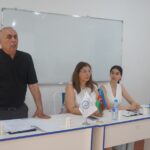 The fifth event was held within the framework of the project “Promoting Successful Practices Against Domestic Violence.”Projects
 The fourth event was held within the framework of the project “Promoting Successful Practices Against Domestic Violence.”Projects
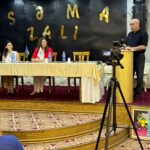 The third event was held within the framework of the project “Promoting Successful Practices Against Domestic Violence.”Projects
 Another important initiative of the Azerbaijan National NGO Forum is an educational event titled “Don’t Just Like — Act!”Our Activity
 The second event was held within the framework of the project “Promoting Successful Practices Against Domestic Violence.”Projects
 The first event was held within the framework of the project “Promotion of Successful Practices Against Domestic Violence.”Projects
 The signing ceremony of the tripartite memorandum between the “Innovative Progress and Ecology” Public Union for Support of Socio-Economic Development, the “Blood Donors Association” Public Union, and the Adalia International Women’s Platform.Our Activity
 The Entrepreneurs’ Forum on the Topic “Green Energy in the Green Economy”Our Activity
 The Path to Successful Development: The Impact of a Successful Mother on Her ChildProjects
 International Scientific Conference Dedicated to Islamophobia, May 26–27News